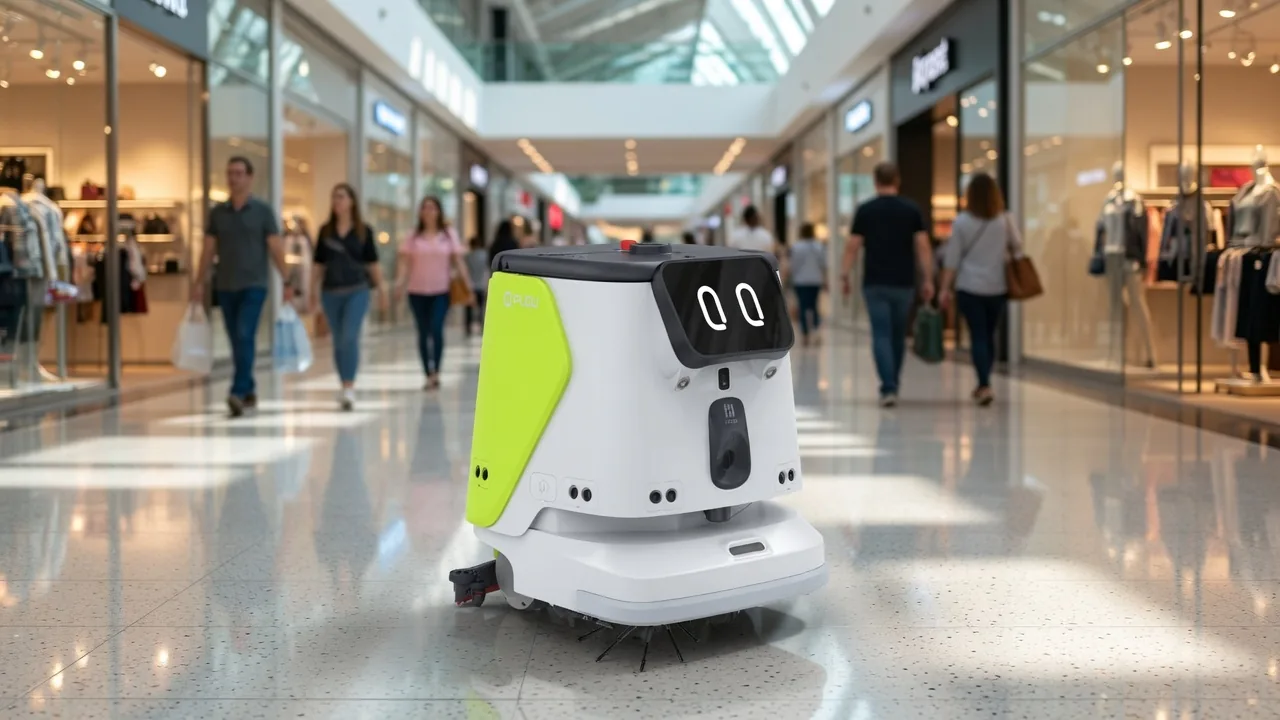
Most facilities are not trying to cut their cleaning team. They cannot fill the roles they already have. That is the real shape of the labor shortage in 2026, and it is why cleaning robots have moved from novelty to practical answer. Used well, they cover the repetitive floor work that is hardest to staff, so the team you do have can focus where they are genuinely needed.
What the labor shortage actually looks like
Walk a hospitality, healthcare or logistics site at the moment and the pattern is consistent. Open roles that sit open for weeks. Existing staff carrying overtime. Higher than usual turnover in the most physically demanding positions. Recruitment fees and training costs that climb with every hire that does not stick. The conventional answer, hire more people, is the one the market is not letting facilities do, at any reasonable cost.
Cleaning robots address the symptom most directly, because the floor work that fills most of a custodial shift is exactly the kind of repetitive, physically demanding work that the hardest to fill roles are built around. A robot does not solve every staffing problem. It removes the specific one that the labor market is least able to fix.
The dirty, dull and dangerous test
There is a useful framing that has been around the automation world for a while: robots do best at tasks that are dirty, dull or dangerous. Floor cleaning checks all three boxes. It is physically wearing, it is endlessly repetitive, and pushing heavy equipment for an eight hour shift is not kind to the people who do it. Automating that work is not about replacing your team. It is about not asking them to keep doing the part of the job that the market increasingly refuses to staff.
The tasks that stay with your people are the ones a robot is genuinely bad at: detailed work, judgment calls, guest-facing service, anything that needs varied dexterity. Bathrooms, mirrors, fixtures, beds, surfaces. Your team's hours move from floor pushing to the work that actually decides whether a guest leaves a five star review or a complaint.
Add a machine instead of a vacancy
The argument is rarely "fewer people." It is "fewer vacancies." A robot covering the open floor work lets you keep output up without leaving a hole in the schedule, and if traffic grows you can increase cleaning frequency without posting another job you may not be able to fill.
The hidden cost of a vacancy
The figure on the job posting is not the true cost of an unfilled role. Loaded labor cost includes recruitment fees, onboarding time, benefits, the productivity gap while a new hire learns the site, and the real risk of churn in roles with high turnover. Overtime to cover the gap eats margin too, and pushes the people who do show up closer to burnout, which feeds the next round of turnover. The cost of one vacancy compounds.
A monthly finance figure for a cleaning robot is a fixed, known number. Compared to the variable, often invisible cost of carrying chronic vacancies, the predictability alone is worth something. Our cost and ROI guide walks through that math.
The retention angle people miss
The piece of the labor shortage story that almost no one talks about is what happens to the people who stay. A team carrying chronic vacancies and overtime is a team that burns out and quits, which makes the next vacancy harder to fill. Removing the most physically demanding repetitive work from those shifts, and trusting your team with the higher value detailed work and the responsibility of running the machine, is one of the few things that actually improves retention. People stay where they feel trusted with good tools. The training side of that is covered in our staff adoption piece.
Where this lands by industry
Hospitality is the clearest case. Front of house staff stay on the desk, not running deliveries, while the lobby stays consistently clean. Healthcare gets quiet, repeatable cleaning of corridors and wards without the noise and inconsistency of a stretched manual crew. Logistics and warehousing get cleaner floors around the clock, which is most useful exactly where labor is most scarce. None of these is about replacing the team. All of them are about not asking a smaller team to absorb more.
Frequently asked questions
Will a cleaning robot replace my cleaning staff?
Almost never. Most customers use robots to cover roles they cannot fill or to relieve an overstretched team. The robot covers the floors so your staff can focus on detailed work that needs a person.
What tasks can a cleaning robot not do?
Detailed work, mirrors, fixtures, bathrooms, beds, anything that needs varied dexterity or judgment. It is a floor machine, not a general purpose cleaner.
Does this work in industries with extreme labor shortages?
Hospitality, healthcare and logistics are the clearest cases. We outline the specific fit for each on the industries pages.
How quickly does the labor value show up?
Within the first full month of unattended overnight running, in most cases. We model it in the finance and ROI proposal for your site.