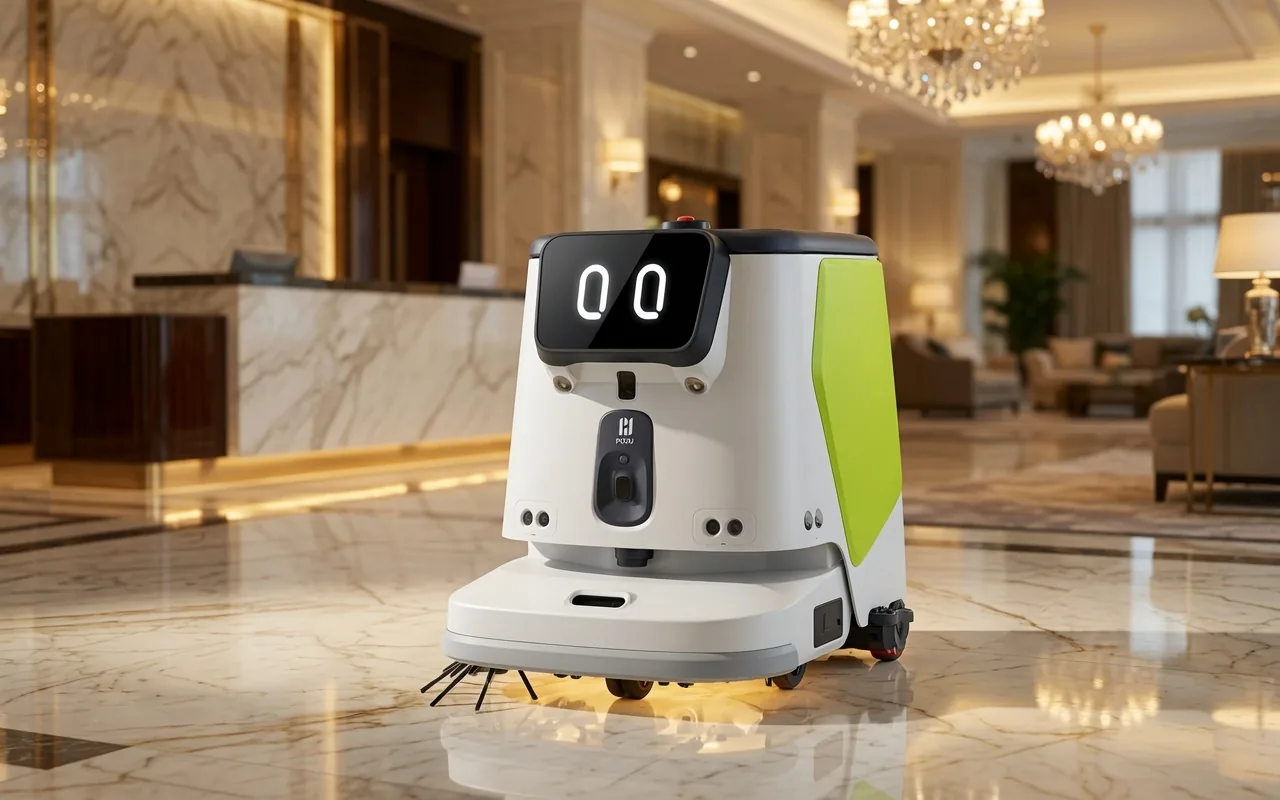
Managed robotics deployment is the difference between buying a machine and getting a working result. Plenty of vendors will sell you a robot and wish you luck. A managed rollout means the mapping, the tuning, the monitoring, and the ongoing adjustments are handled, so the machine actually earns its keep. Here is what that involves.
What managed robotics deployment includes
The most useful thing a deployment partner can bring is an understanding of how facilities actually run, the pressure of an inspection, the chaos of a wet lobby, the reality of a tight budget. Tovrana approaches robotics as an extension of facilities work rather than a pure technology play, which shapes how we set machines up: around your operation, not around a spec sheet.
Fast, low disruption mapping
Mapping a typical lobby or set of corridors is a matter of hours, not weeks, and it is best done during a quiet window. The aim is for your team to arrive to a robot that is already docked, programmed, and ready, rather than to a building full of setup work. We optimize around your schedule rather than occupying your space.
Remote monitoring and proactive fixes
While the robot is connected, it reports its status: battery, water levels, and any stuck alerts. That means issues can often be spotted and resolved before you even notice them, sometimes by remotely guiding a robot out of an awkward spot and resetting its route. The point is to take the babysitting question off your plate entirely.
Software that improves over time
Like a phone, the robot's software gets better with updates. As PUDU releases improvements, they roll out to the fleet, so the machine you deployed keeps getting more capable without you doing anything.
Adapting as your building changes
Buildings are not static. Furniture moves, areas get renovated. Minor changes are often a quick remote map adjustment; larger ones a short remapping session. You do not have to relearn the software or start over, which is part of what makes a managed relationship worth more than a one off sale. This pairs naturally with our maintenance approach and stands in contrast to the DIY risks we cover separately.
Frequently asked questions
What happens if we renovate or move furniture?
Minor changes are often a quick map adjustment. Larger ones are a short remapping session. You do not have to relearn anything.
What if the robot goes offline mid cycle?
It keeps cleaning from its on board map and uploads its data when it reconnects.