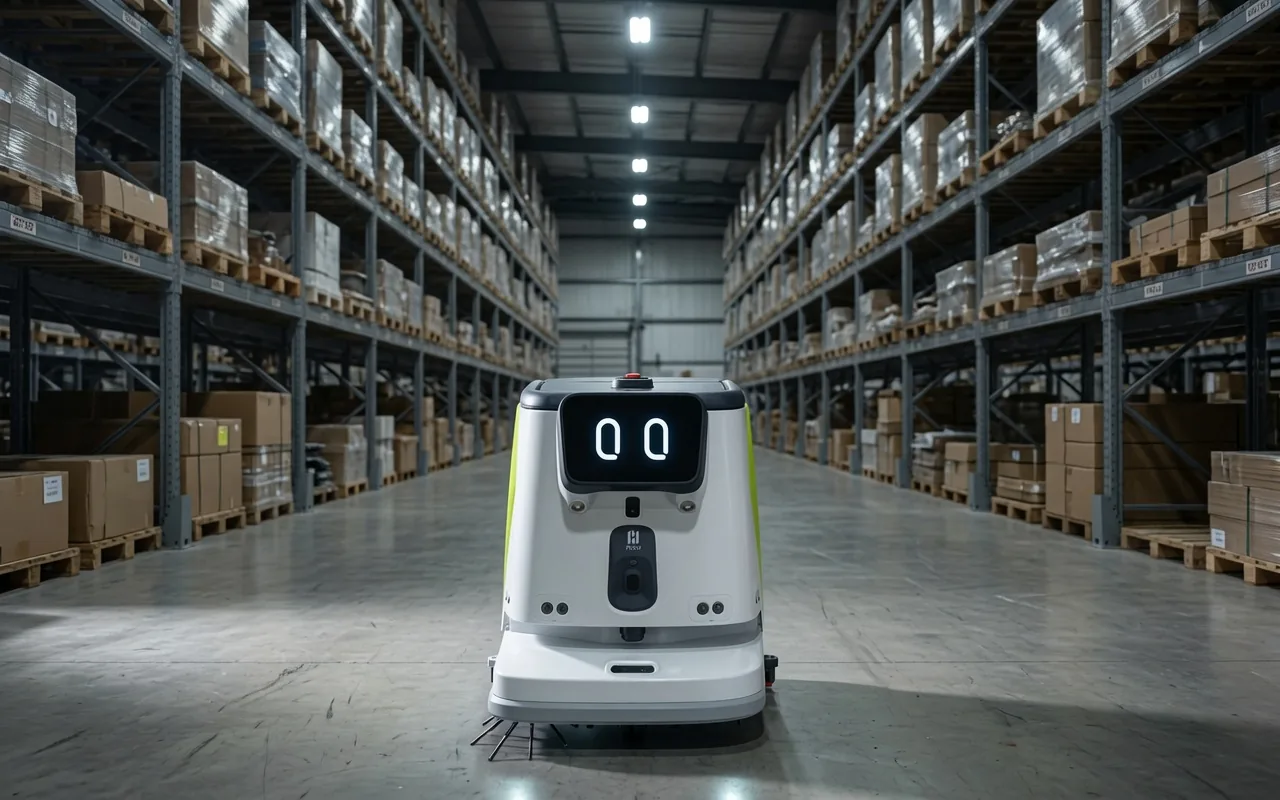
Commercial cleaning robot maintenance is far lighter than most people assume, and understanding it upfront removes a common worry. The daily routine for your team is minimal, and the wear items, brushes, filters, squeegee blades, are tracked against usage so replacements are ready before performance drops. Here is what upkeep actually looks like.
The light daily routine
Day to day, your team does very little: rinse the dirty water tank, wipe the sensors with a microfiber cloth, and keep the dock area clear. That is the bulk of it. The machine is designed so the everyday upkeep is something any staff member can do in a couple of minutes, not a specialist task. With a Self Cleaning Docking Station, even the brush and squeegee cleaning and the water handling happen automatically between cycles.
Wear parts, tracked not guessed
Brushes, filters, and squeegee blades wear with use, as they would on any cleaning equipment. Rather than waiting for performance to drop, these are tracked against the machine's actual usage hours, so a replacement is prepared in time. This turns maintenance from a reactive scramble into a planned, predictable rhythm, which is exactly what you want from a machine you are relying on.
Why fresh parts matter
Worn consumables quietly degrade results. A clogged filter reduces suction, so the CC1 Pro cannot hold its full 17,000 Pa. A nicked squeegee blade leaves streaks. Keeping wear parts fresh is not housekeeping for its own sake, it is what keeps the machine performing at the level you bought it for.
Splitting the responsibilities
The clean split is this: your team handles the light daily rinse and wipe, and the lifecycle maintenance, knowing when the main brush or filter is due and getting the right part to you, is tracked and handled as part of the support relationship. You are not left to figure out a maintenance schedule from a manual; the system flags what is due and when.
Maintenance as part of the bigger picture
Good maintenance is really about protecting utilization. A well kept machine runs reliably, and a reliable machine is what delivers the return. This connects directly to our managed deployment approach, where monitoring and upkeep are handled together, and to the CC1 Pro itself, covered in our review.
Frequently asked questions
What does my team need to do daily?
Rinse the dirty water tank and wipe the sensors. That is most of it.
How do you know when a part needs replacing?
Wear items are tracked against the machine's usage hours so replacements are ready in time.