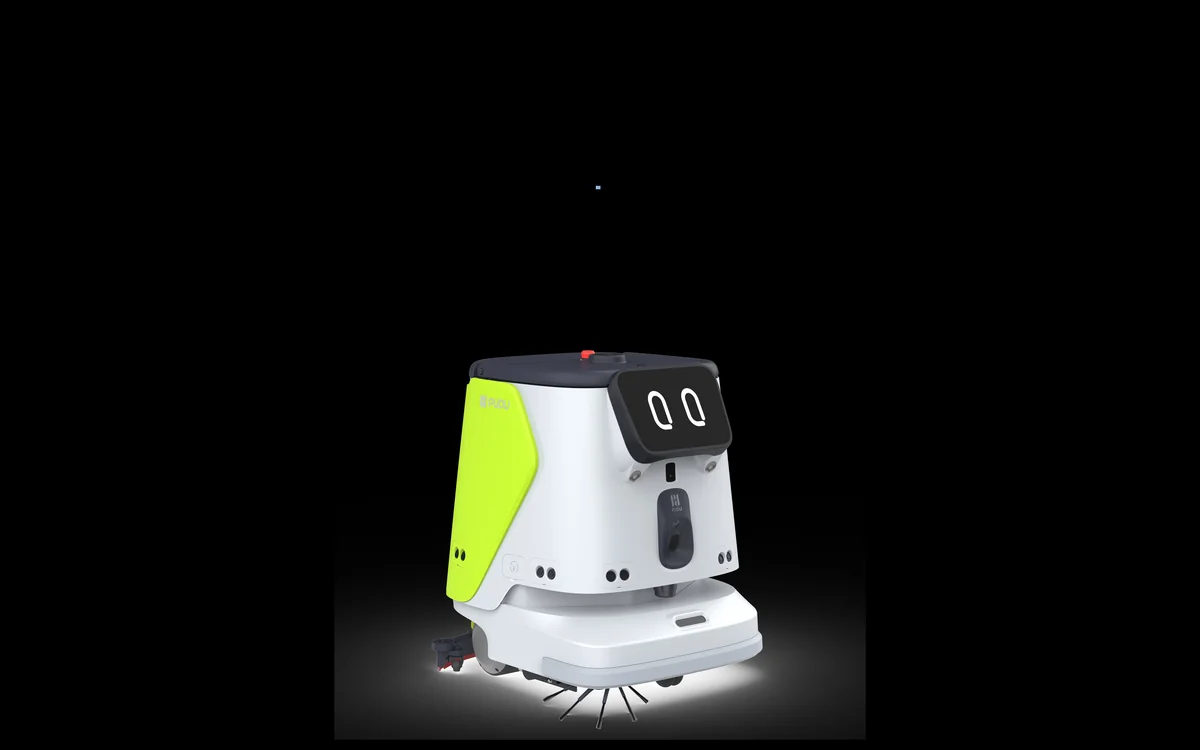
The DIY robotics deployment risks are real, and they usually show up after the box is open, not before. A capable robot bought without a plan often ends up underused, not because the machine is poor, but because the building around it was never set up to let it work. Here is where unguided rollouts tend to come unstuck, and how a guided one avoids it.
The most common failure: stuck on one floor
The single most frequent problem with a self managed deployment is vertical movement. A robot that cannot use the elevator is a robot confined to one floor, which means staff stop their own work to ferry it up and down. That friction is usually what turns a promising machine into one parked in a storage room. The fix is the Elevator IoT Module, which lets the robot call the car and select its floor on its own, but it has to be set up correctly to work.
Mapping that is good enough versus mapping that is right
A rough first map will technically let a robot move, but the difference between an adequate map and a properly tuned one is the difference between a machine that finishes cleanly and one that hesitates, reroutes, and needs rescuing. Getting the map right, including no go zones, slow zones, and clean transitions, is experience work. It is the part most DIY setups underinvest in, and the part that most affects daily reliability.
Utilization is the real metric
A robot that sits idle half the time is not saving you anything. The whole return depends on the machine actually running its routes unattended. A guided deployment is really about protecting utilization, which is where the value lives.
The human side, which hardware cannot fix
Even a perfectly configured robot fails if the team does not trust it. Staff who were not shown how it works, or why, tend to treat it as a gimmick. A guided rollout includes bringing your people along: showing them the controls, the emergency stop, and the daily basics, so they feel in control of the machine rather than wary of it. We cover that in our staff adoption guide.
What a guided deployment actually gives you
It comes down to three things working together: vertical mobility so the fleet is not trapped, a properly tuned map so it runs reliably, and a team that has adopted the machine. Miss any one and utilization suffers. Our managed deployment approach is built around getting all three right, and our deployment roadmap shows the four step process we follow.
Frequently asked questions
Do I need to upgrade my elevators?
In most cases no. The Elevator IoT Module is built to retrofit existing systems. We confirm fit during the audit.
Can the robot share an elevator with people?
Yes. It detects a crowded car and waits for the next one rather than forcing its way in.