The future of commercial cleaning robotics is easy to over hype and easy to dismiss. The grounded view sits in between: wheeled autonomous machines are already practical and improving steadily, and the facilities adopting them now are quietly building the foundation for whatever comes next. Here is a realistic look at where this is heading.
Where things stand today
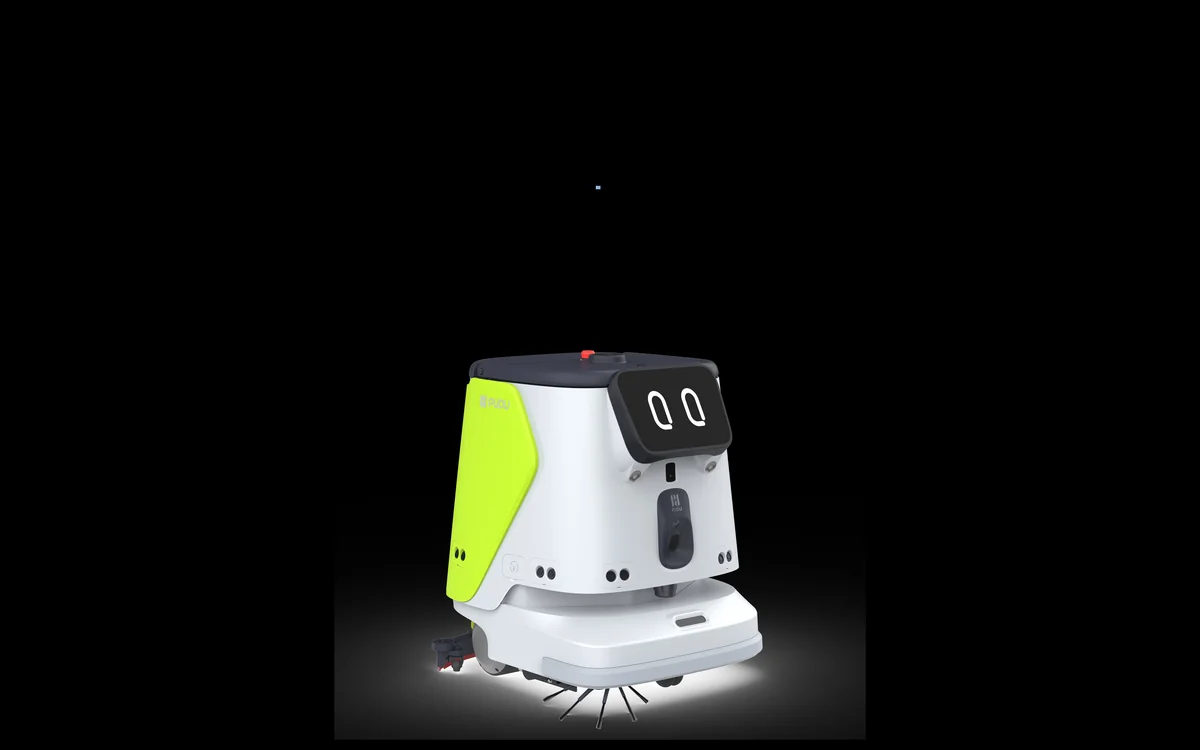
Right now, the workhorses are autonomous mobile robots, wheeled machines like the CC1 Pro that handle long corridors, lobbies, and open floors reliably. They are not experimental anymore; they do real work in real buildings every night. The current frontier is less about dramatic new abilities and more about steady gains: better obstacle handling, smoother navigation, more useful data, delivered through software updates over time.
The role of data
The quieter shift is that cleaning is becoming measurable. A robot logs where it cleaned and when, which turns I think the floor was done into here is the coverage record. In environments where hygiene has to be evidenced rather than assumed, that data trail is genuinely valuable, and it is one of the clearer ways automation changes the work rather than just speeding it up.
Deploying today builds the foundation
The maps, the workflow data, and the operational habits you build by running wheeled robots now are the groundwork that makes adopting future capabilities easier. Starting is itself a form of future proofing.
A grounded view of what comes next
There is plenty of talk about general purpose and humanoid machines handling the vertical tasks that wheeled robots cannot, wiping surfaces, dealing with fixtures. That direction is real, but it is further out and easy to overstate. The sensible posture is to capture the value available today from proven machines, while keeping an eye on what is genuinely maturing rather than chasing every announcement.
What this means for you
You do not need to predict the future to benefit from it. Automating the repetitive floor work now delivers value today and positions you well for later. Robots will keep taking the repetition; people will keep handling the exceptions and the judgement, which is unlikely to change for a long time. Our view of why we built around PUDU sits alongside this, and the practical first steps are in our deployment roadmap.
Frequently asked questions
Will robots eventually do every cleaning task?
Unlikely. Repetitive work suits automation. Detailed and judgement based work will stay with people for a long time.
Do you build your own robots?
No. Sparkobot deploys PUDU's range and brings the right machine to each job.